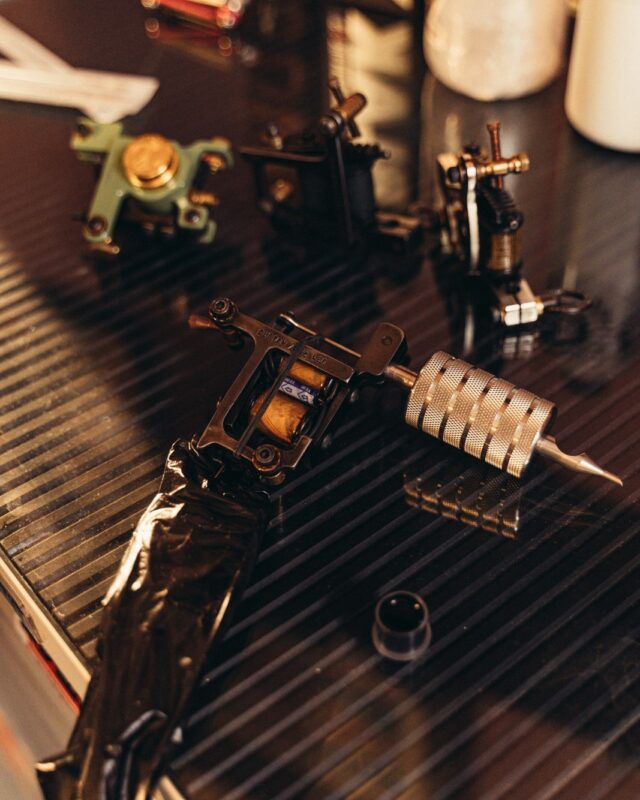
A tattoo design can pass through a consultation, a sketch, a client review, a stencil, and an appointment before a machine starts. Small gaps between those steps create unnecessary rework. A short handoff record helps a studio keep the client’s idea, the artist’s decisions, and the appointment plan connected without turning the process into paperwork for its own sake.
Begin with a clear brief
Record the client’s requested subject, placement, approximate dimensions, preferred style, and any nearby tattoos. Add the reason for each reference image: shape, contrast, mood, or color. A folder of pictures without notes asks the artist to guess which details matter. Separate the client’s must-haves from ideas they are willing to change.
Keep references in a location the working artist can access. Label the current version and avoid spreading changes across text messages, email, and an appointment note that nobody reconciles. When the client sends a new image, ask whether it replaces an earlier reference or adds a new preference.
Capture the artist’s design decisions
The artist may decide that a detail needs more space, a line should be bolder, or the composition should follow the body differently. Write down the decision in ordinary language. “Simplify the small lettering so it reads at this size” gives the team more useful context than “design updated.” It also gives the client a chance to ask why a change was made.
Confirm which artist owns the drawing and who will perform the tattoo. In a shared studio, that distinction prevents a reference from being mistaken for finished artwork or another artist’s piece. Keep a record of revisions without presenting every sketch as a final promise.
Agree on the review point
Tell the client when they can expect to discuss the design and what kind of revisions can be handled before the appointment. Some artists review a drawing in advance; others finalize details together on the day. The studio should describe its actual process instead of implying that every client receives the same sequence.
At the review point, confirm the major shape, placement, scale, and any important text. If a decision changes the estimated session length or number of appointments, update the booking record as well. A design approved for one placement should not silently become a different plan at the stencil stage.
Prepare the appointment handoff
Before the session, the working artist should have the current brief, approved references, measurements, revision notes, and the booking details. The person greeting the client should know what is confirmed and what remains open for conversation. A simple status such as “placement to confirm in person” is better than leaving an unanswered question buried in a message thread.
Keep financial and scheduling details alongside the design plan: deposit terms already agreed with the client, expected duration, and whether a follow-up session is planned. Avoid promising an exact finish time that the artist has not approved. The studio’s own policies should govern deposits and cancellations.
Close the loop after the session
Record the final placement, any material design change made with the client, and where the completed work was photographed if the client consented. Deliver the artist’s written aftercare guidance. If the studio requests a healed follow-up photo, make the request optional and clear about how the image would be used.
A handoff record is also a learning tool. If the same question repeatedly appears at the last minute, move it earlier in the consultation. If clients regularly confuse inspiration with a request to copy another tattoo, explain that distinction in the intake instructions. For the broader operating picture, see InkOps’ studio business planning guide.
Frequently asked questions
Does every studio need a complex design system?
No. A shared, current brief with the right owner and revision notes can be enough. The useful measure is whether the artist and client can identify the latest agreed plan.
Should a client approve a stencil before tattooing?
The client and artist should have a clear opportunity to discuss placement and the design before the session proceeds. Follow the studio’s documented process and pause when an important detail is unresolved.
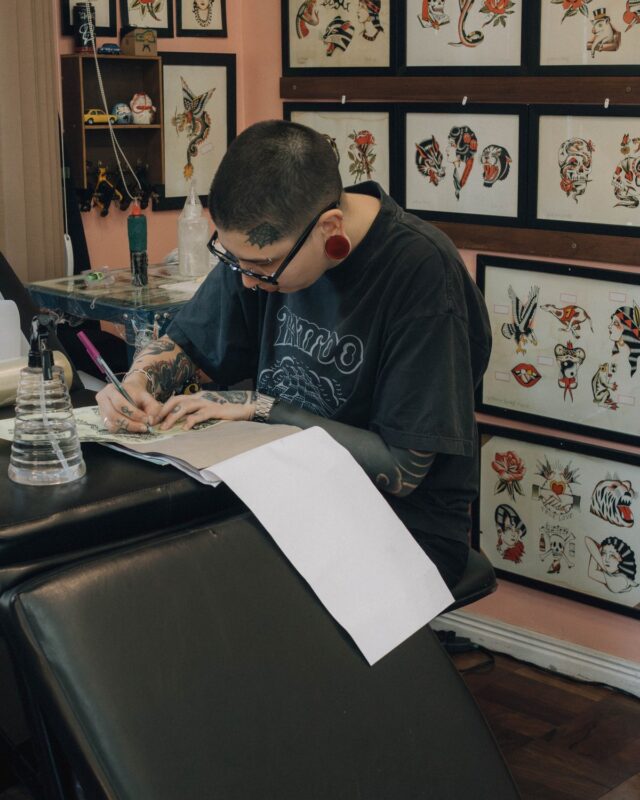
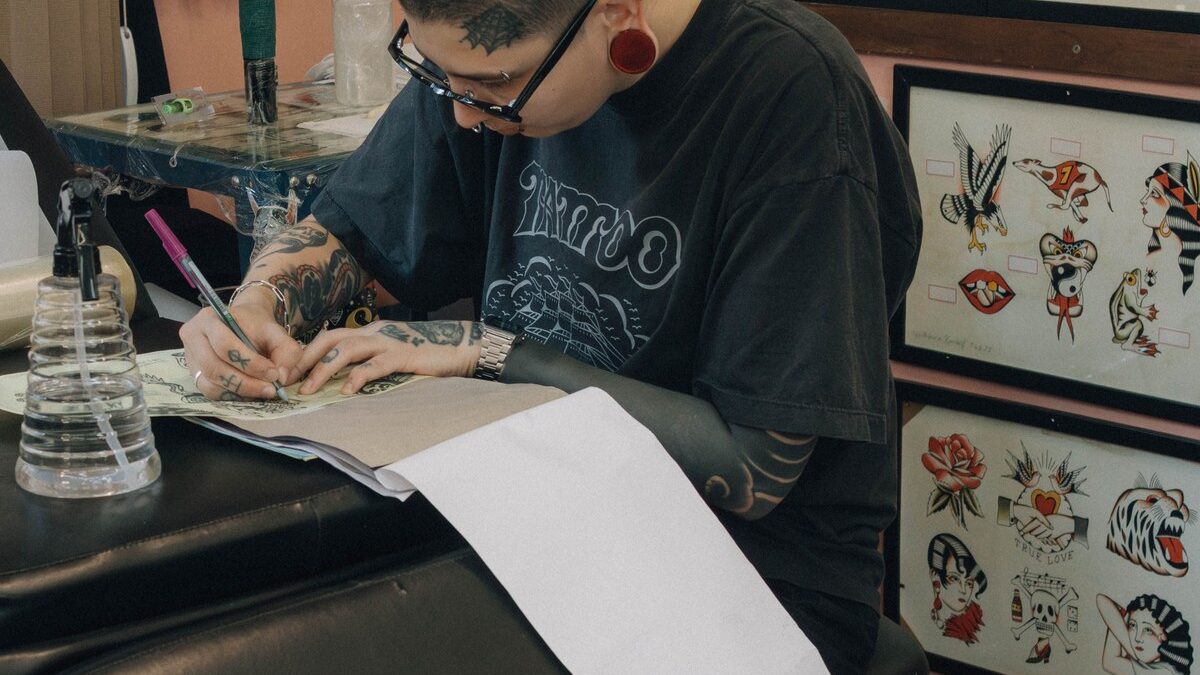
Featured image: a reviewed, licensed photograph of an artist sketching in a studio. It illustrates the workflow and does not depict or endorse an InkOps studio. Image source and reuse terms.