A useful tattoo reference file records more than the image that started a conversation. It should preserve who made the reference, where it came from, what permission you actually have, and which parts of the idea changed during discussion. That record helps a client and artist return to the same facts instead of relying on memory.
Start with the source, not a downloaded copy
Save the creator’s name and the page where the work was presented. Add the date you checked it and a short note explaining what interests you: composition, movement, contrast or subject. A social screenshot without a name or source is a weak reference because it strips away the information needed to ask a respectful question.
Do not describe a public image as free to copy merely because it can be viewed or saved. If the creator supplied specific reuse terms or direct permission, record the exact scope. If permission is unknown, label it unknown and treat the image as discussion material rather than ready-made tattoo flash.
Separate client choices from artist decisions
Use a short revision log with a date, the question being answered and the decision that followed. One line might record a placement change; another might note that a copied element was removed so the artist can develop an original alternative. Keep preferences, confirmed decisions and open questions in separate fields.
A revision record is not permission to direct every line. It should help the artist understand the boundaries of the request while leaving room for their design process. When a decision remains unsettled, mark it as open instead of rewriting the history as though everyone already agreed.
Keep files readable and limited
Use descriptive filenames and store only the material needed for the current inquiry. Avoid placing private client details in a general team folder. If a studio has its own intake system, follow that system instead of creating an unofficial duplicate that other people may mistake for the current record.
For more operational coverage, browse InkOps. Our separate commercial destinations are the Tattoo Media Network shop and apparel store. A purchase does not grant design permission or reserve an appointment.
Questions for the next review
What belongs in the final note?
Keep the source, permission status, agreed changes, open questions and the person responsible for the next step. Remove abandoned duplicates only after the current record clearly shows which version replaced them.
Does a revision log prove legal permission?
No. It documents what the team knows and what still needs confirmation. When a requested use depends on a creator’s consent, the record should point to the actual permission rather than pretending the log creates it.
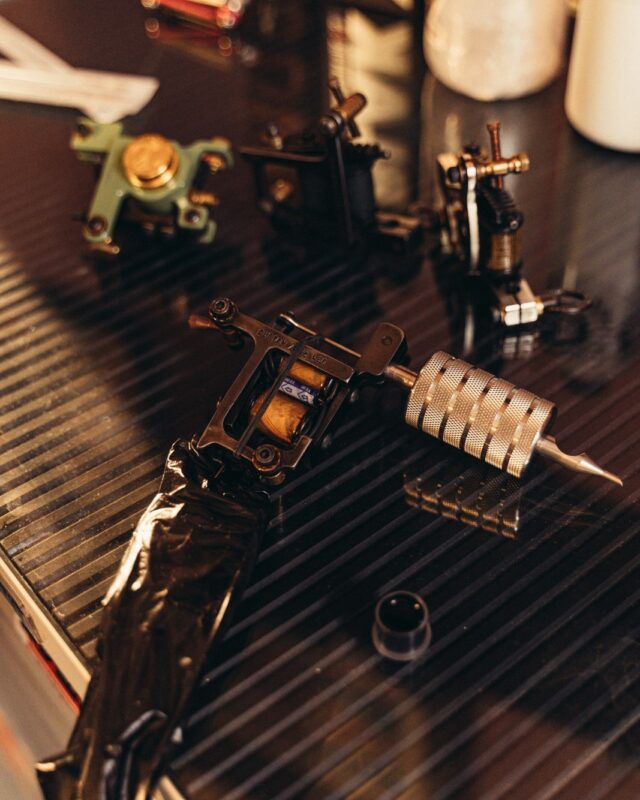
Featured photograph: Mayara Caroline Mombelli / Pexels, used under the Pexels License. Representative studio photograph; no named artist, studio or client identity is implied.